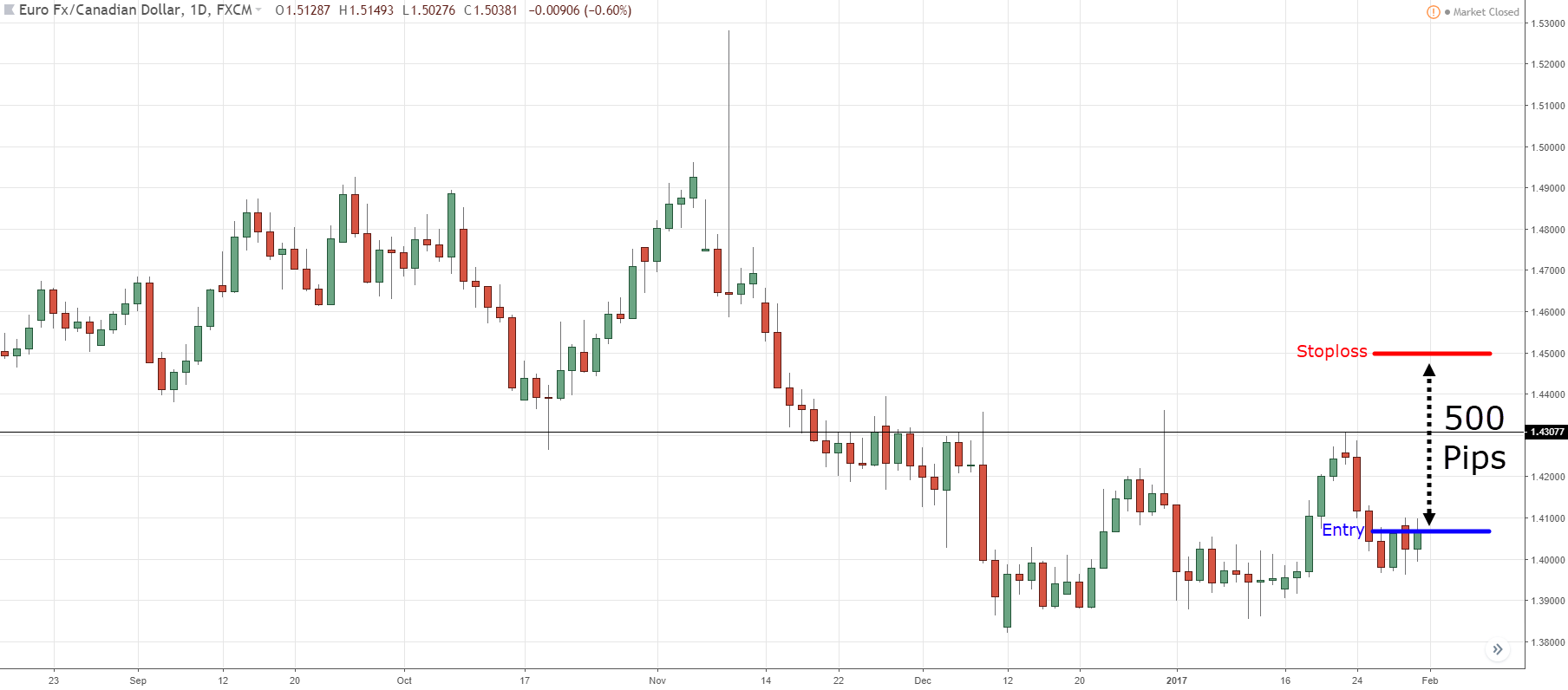
Currency options allow investors to protect themselves from the possibility of a change in exchange rates. These options can also be bought in different ways.
To trade currency options, you can use a forex broker. This person will take all the risks on behalf of investors and charge them for their service. Beginners can get a head start in the forex market by trading in small amounts with little risk.
The NASDAQ OMX offers currency options for the Australian dollar and British pound. It also has options on the Canadian dollar, Euro, Japanese yen, Swiss franc and many more. These options settle in cash with a wide variety of expiration prices and dates.

You can also purchase foreign currency options through a regulated exchange such as the Chicago Mercantile Exchange (CME) or the London Stock Exchange. These exchanges have a variety of options and expiration dates with standard maturities. However, they are less flexible than those at the NASDAQ OMX.
Currency options have the main advantage that you can hedge against changes in a currency's value without having to purchase the actual money. Currency options can be used as a way to speculate on the market. They offer the chance to make money depending on whether the strike price is higher or lower than the option.
Different ways of trading currency options are available depending on how much you can invest. Some people use them as part of a larger portfolio of investments while others only trade them for pure speculation purposes with the potential to make a profit.
How to Trade Currency Options
When trading currency options, the first thing you should know is that these are complex instruments which carry a very high risk of financial loss. As they are not suitable for all, you must do your research.
Forex options include futures, options and FX futures. FX swaps, forwards and options can also be traded.
The forex option is a very popular financial instrument that can be traded by anybody with an interest on the currency market. The options can be used to hedge and speculate, but they are also volatile and may result in the loss of your initial investments.
How to trade currency Options
There are basically two types of options in forex: Call and Put. Call gives you the ability to buy currency at a set price for a given period, whereas put gives you an option to sell currency at the same price. The strike price is combined with the current exchange rate to determine the price of an option.
FAQ
How are securities traded
The stock market allows investors to buy shares of companies and receive money. Investors can purchase shares of companies to raise capital. Investors then sell these shares back to the company when they decide to profit from owning the company's assets.
The supply and demand factors determine the stock market price. When there are fewer buyers than sellers, the price goes up; when there are more buyers than sellers, the prices go down.
Stocks can be traded in two ways.
-
Directly from your company
-
Through a broker
What is security in the stock market?
Security is an asset that produces income for its owner. Most security comes in the form of shares in companies.
A company may issue different types of securities such as bonds, preferred stocks, and common stocks.
The earnings per shares (EPS) or dividends paid by a company affect the value of a stock.
When you buy a share, you own part of the business and have a claim on future profits. If the company pays you a dividend, it will pay you money.
You can always sell your shares.
Who can trade on the stock market?
Everyone. However, not everyone is equal in this world. Some have greater skills and knowledge than others. They should be rewarded for what they do.
But other factors determine whether someone succeeds or fails in trading stocks. You won't be able make any decisions based upon financial reports if you don’t know how to read them.
These reports are not for you unless you know how to interpret them. Each number must be understood. Also, you need to understand the meaning of each number.
You will be able spot trends and patterns within the data. This will allow you to decide when to sell or buy shares.
This could lead to you becoming wealthy if you're fortunate enough.
How does the stock markets work?
By buying shares of stock, you're purchasing ownership rights in a part of the company. Shareholders have certain rights in the company. He/she can vote on major policies and resolutions. He/she has the right to demand payment for any damages done by the company. He/she can also sue the firm for breach of contract.
A company cannot issue more shares than its total assets minus liabilities. This is called "capital adequacy."
A company with a high capital adequacy ratio is considered safe. Companies with low ratios are risky investments.
What Is a Stock Exchange?
Companies can sell shares on a stock exchange. This allows investors to buy into the company. The market decides the share price. The market usually determines the price of the share based on what people will pay for it.
Companies can also get money from investors via the stock exchange. Companies can get money from investors to grow. Investors buy shares in companies. Companies use their money for expansion and funding of their projects.
A stock exchange can have many different types of shares. Some shares are known as ordinary shares. These are most common types of shares. Ordinary shares are traded in the open stock market. Prices of shares are determined based on supply and demande.
Other types of shares include preferred shares and debt securities. Preferred shares are given priority over other shares when dividends are paid. These bonds are issued by the company and must be repaid.
Statistics
- The S&P 500 has grown about 10.5% per year since its establishment in the 1920s. (investopedia.com)
- "If all of your money's in one stock, you could potentially lose 50% of it overnight," Moore says. (nerdwallet.com)
- Ratchet down that 10% if you don't yet have a healthy emergency fund and 10% to 15% of your income funneled into a retirement savings account. (nerdwallet.com)
- Even if you find talent for trading stocks, allocating more than 10% of your portfolio to an individual stock can expose your savings to too much volatility. (nerdwallet.com)
External Links
How To
How to Invest Online in Stock Market
Investing in stocks is one way to make money in the stock market. There are many ways to do this, such as investing through mutual funds, exchange-traded funds (ETFs), hedge funds, etc. The best investment strategy depends on your risk tolerance, financial goals, personal investment style, and overall knowledge of the markets.
Understanding the market is key to success in the stock market. This includes understanding the different types of investments available, the risks associated with them, and the potential rewards. Once you have a clear understanding of what you want from your investment portfolio you can begin to look at the best type of investment for you.
There are three major types of investments: fixed income, equity, and alternative. Equity refers a company's ownership shares. Fixed income can be defined as debt instruments such bonds and Treasury bills. Alternatives include commodities and currencies, real property, private equity and venture capital. Each category comes with its own pros, and you have to choose which one you like best.
Once you figure out what kind of investment you want, there are two broad strategies you can use. The first is "buy and keep." This means that you buy a certain amount of security and then you hold it for a set period of time. Diversification is the second strategy. It involves purchasing securities from multiple classes. You could diversify by buying 10% each of Apple and Microsoft or General Motors. Buying several different kinds of investments gives you greater exposure to multiple sectors of the economy. You are able to shield yourself from losses in one sector by continuing to own an investment in another.
Another key factor when choosing an investment is risk management. You can control the volatility of your portfolio through risk management. You could choose a low risk fund if you're willing to take on only 1% of the risk. You could, however, choose a higher risk fund if you are willing to take on a 5% chance.
The final step in becoming a successful investor is learning how to manage your money. A plan is essential to managing your money. You should have a plan that covers your long-term and short-term goals as well as your retirement planning. Sticking to your plan is key! Don't get distracted with market fluctuations. Keep to your plan and you will see your wealth grow.